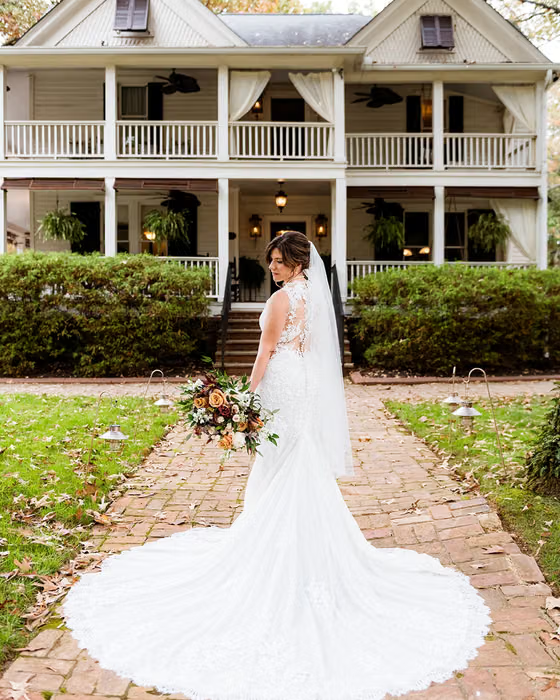
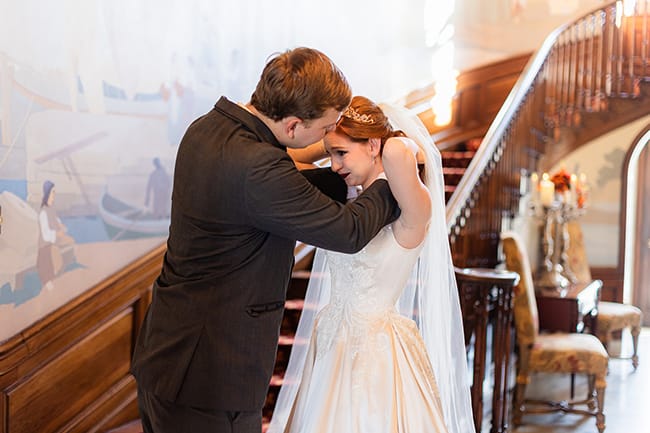
Every couple who books us asks this sooner or later, and here’s the answer we give nearly everyone: most people land on the middle option below. Our team has photographed more than 2,000 weddings, so we’ve watched this play out on a whole lot of wedding days, and honestly, the right number has much less to do with your guest list than with what you want to remember.
So here’s how we think about it, what each length really covers, and the places where a day quietly loses time.
Start with the moments you’d hate to lose
Forget the packages for a minute. Before you look at any of them, write down the moments you’d hate to lose. Skip the ones you think a photographer is supposed to capture, and list the ones you’d be sad to find missing from the album. Maybe it’s the quiet minutes before the ceremony, or the first dance, the grandparents on the dance floor, or the sparklers at the end of the night.
Then count backward. Each of those moments sits somewhere on the clock, and the hours you need are just the span from the first one to the last. If you want the dress hanging in the window and the send-off at the end, you need a longer day than someone who wants the ceremony, the portraits and the first dance.
It helps to know where the day usually falls. In our experience, 81% of our ceremonies start between 4 and 6 PM, and the median first dance happens 105 minutes after the ceremony starts. So at a typical late-afternoon wedding, the reception is well under way by the time the sun is low, and anything you want after the dancing begins has to fit inside your hours.
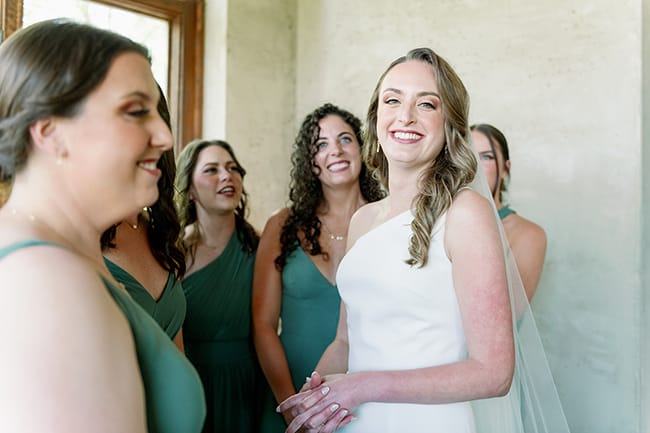
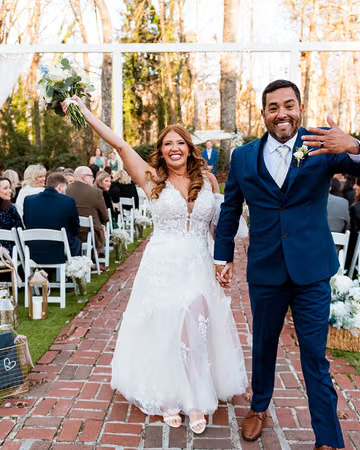
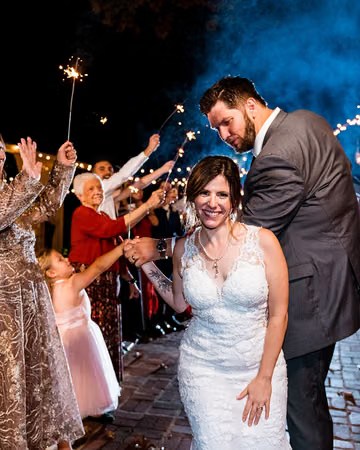
So what do 6, 8 and 10 hours actually cover?
Here’s how we describe the three most common lengths to couples. Take it as a guide rather than a promise, because every venue and every schedule is different.
| 6 hours | 8 hours | 10 hours | |
|---|---|---|---|
| Getting ready | Finishing touches and details | Details, dress and the key moments | The full getting-ready story |
| First look | Usually skipped | Yes | Yes, unhurried |
| Ceremony | Yes | Yes | Yes |
| Family photos | A short list | The full list | The full list, relaxed |
| Golden hour portraits | A short window | Yes | Yes, with room to spare |
| Reception | Main moments | Main moments and dancing | Through the dance floor |
| Send-off | Rarely | If the timeline holds | Yes |
Six hours is a real option if your wedding is small and the plan is tight. Eight hours is where most couples land, since it lets the day breathe without adding hours nobody needs. Ten hours is for the whole story, from the first cup of coffee to the last sparkler.
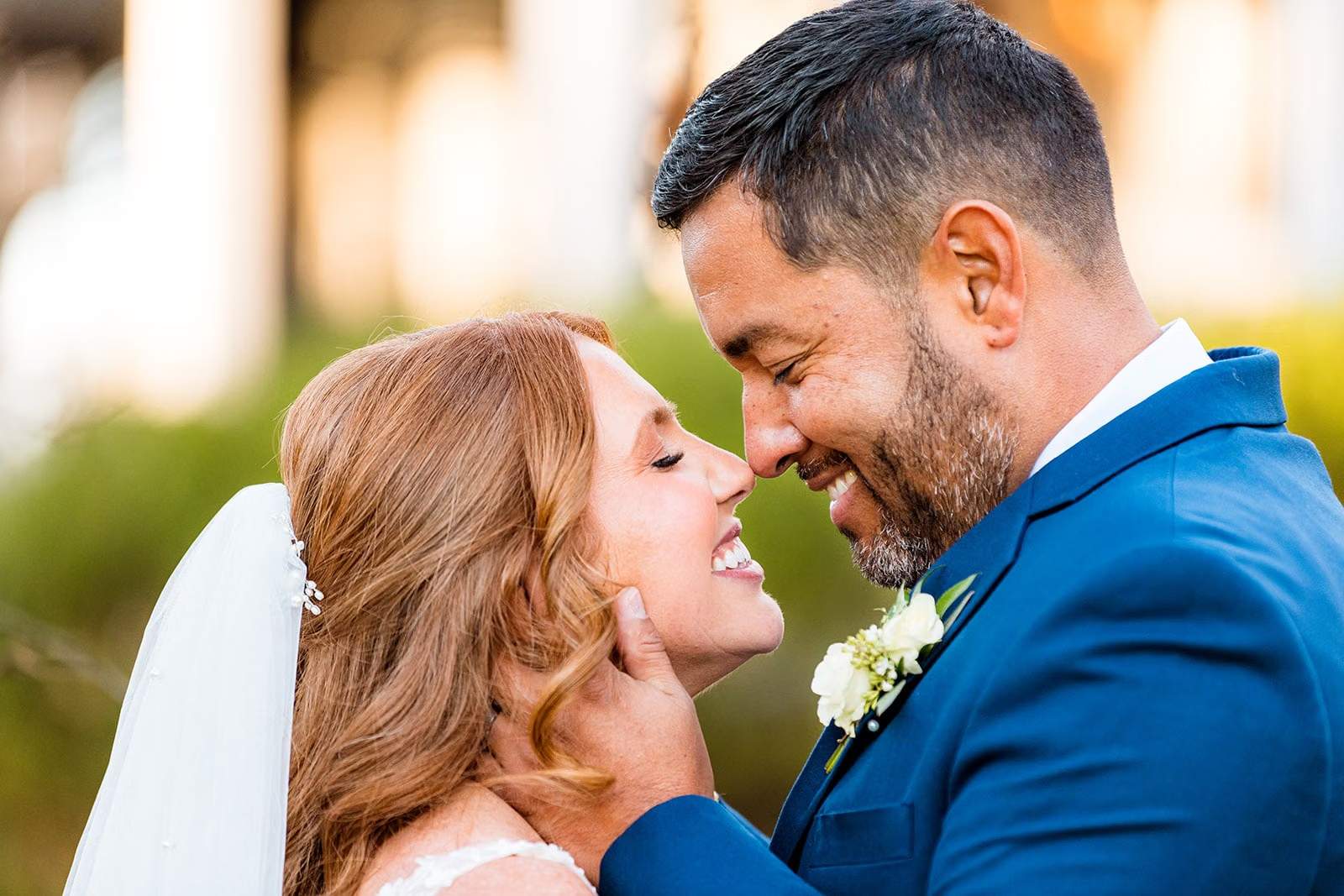
If you’d like to see what these lengths look like in dollars, our pricing calculator gives you a price range for your day.
Where the timeline slips (and costs you an hour)
After every wedding we jot down how the day actually ran, and those notes are a little humbling to read. Across the 212 weddings in our 2024 to 2026 notes, 48 ran late. A late wedding can have more than one cause, so these counts overlap, but the pattern is plain:
- The bride or wedding party arriving and dressing late: 21
- Hair and makeup running over: 15
- A vendor or the venue: 13
- The ceremony starting late: 11
Look at what’s at the top of that list. It isn’t the photographer or the guests, it’s the morning. When getting ready slips, everything after it slips too, and the lost time comes out of the part of the day with the best light.
The fix is cheap and a little unglamorous. Build a buffer into the morning, ask your hair and makeup team for a firm finish time, and tell your wedding party the real arrival time is earlier than the one on the invitation. A 20-minute cushion at the start is worth more than an extra hour at the end.
Buy the hours for the moments you’ll want in the album, not the ones you’ll want to forget.
How a first look changes the math
This one comes up all the time. Of our couples, 47% do a first look and 45% don’t, so it’s close to an even split and neither choice is unusual. What matters is that each one changes where your hours go.
With a first look, your portraits and the wedding party photos happen before the ceremony. Family photos stay right after it, when everyone’s already together, and they take 10 to 20 minutes. Most of cocktail hour is yours again, and you can save the late-afternoon light for a few quiet minutes together. Without a first look, those photos move to after the ceremony, so cocktail hour is partly spent on them and the schedule has less slack.
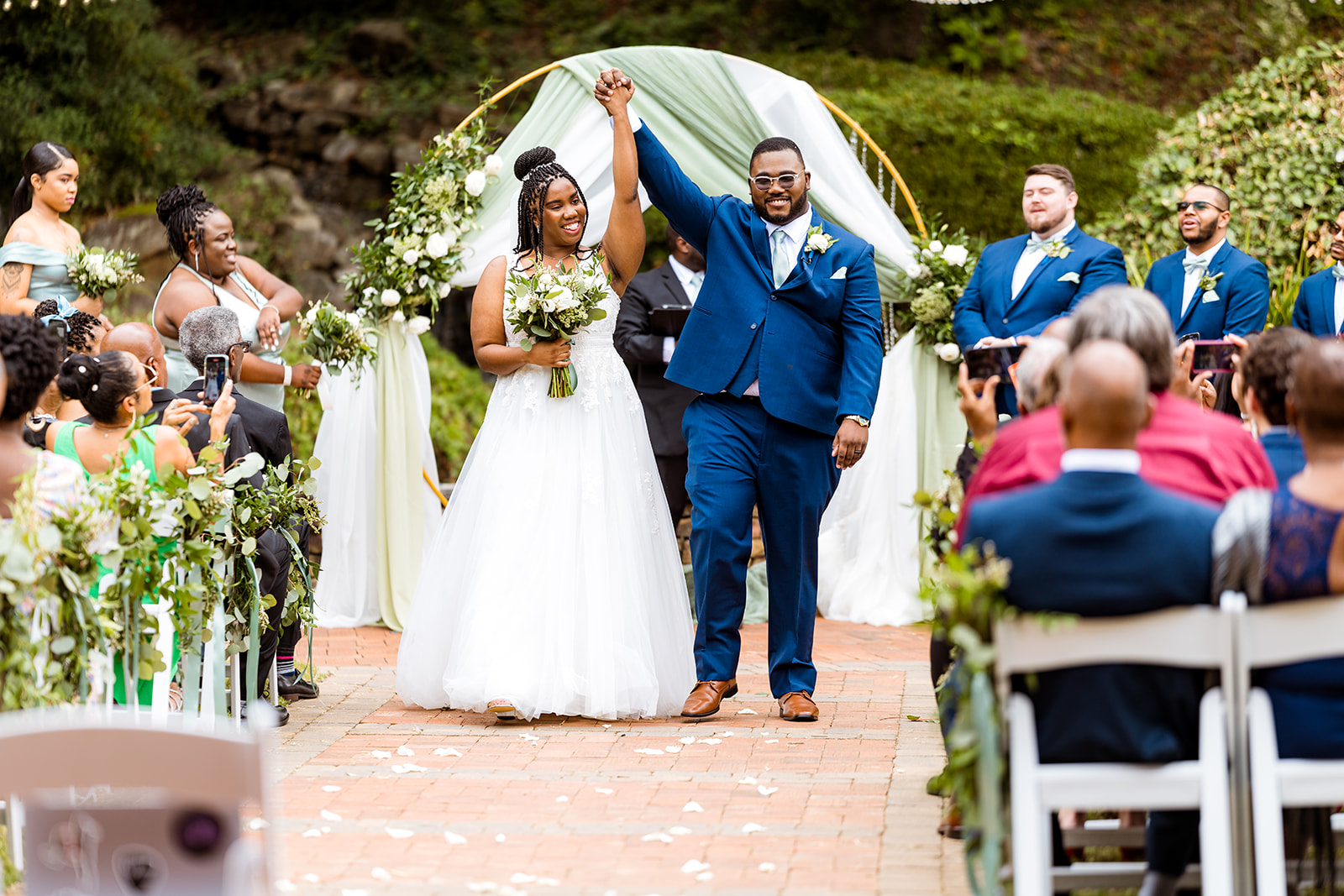
Neither is better, and a first look is about more than saving time. Some couples just want the aisle to be the first moment they see each other. If you skip it, plan a little more time for photos after the ceremony, and think about adding an hour.
One more number: 72% of our couples want a moment with dad. It’s quick to photograph, but it needs a spot on the schedule, usually during getting ready or right before the ceremony. Put it on the timeline and it happens. Leave it to chance and it often doesn’t.
Our rule of thumb for choosing your hours
Still stuck between two lengths? Here’s how we’d decide if you were sitting across the table from us.
- Choose 6 hours if your guest count is small, you’re skipping the first look, and the reception is short.
- Choose 8 hours if you want the getting-ready moments, a first look or a full family list, and the main reception moments. That’s where most of our couples land.
- Choose 10 hours if you want the whole day documented, including a long getting-ready, an unhurried set of portraits and the send-off.
When in doubt, go longer. You don’t get a second chance at the morning light, and a photographer who isn’t watching the clock makes for a calmer day. The numbers back that up: about 1 in 10 couples add an hour on the day, and most of those added two.
On the delivery side, longer coverage doesn’t mean sorting through hundreds of near-duplicates. It means a fuller story, with the in-between moments that make an album feel like your day rather than a highlight reel.
What about adding video?
If you’re thinking about a wedding film too, the same logic applies, and it’s one reason couples book both with us. Photo and video come from one team, so the two plans can share one timeline instead of competing for the same moments. Our videography page shows how that looks.
Whatever you pick, start from your moments, leave a cushion in the morning and keep a little room for the golden hour. And if you’d like a hand turning that list of moments into an actual schedule, check your date with us and we’ll sit down and walk through it together.